5G Home Internet vs Broadband: Which Is Better for Your Home?
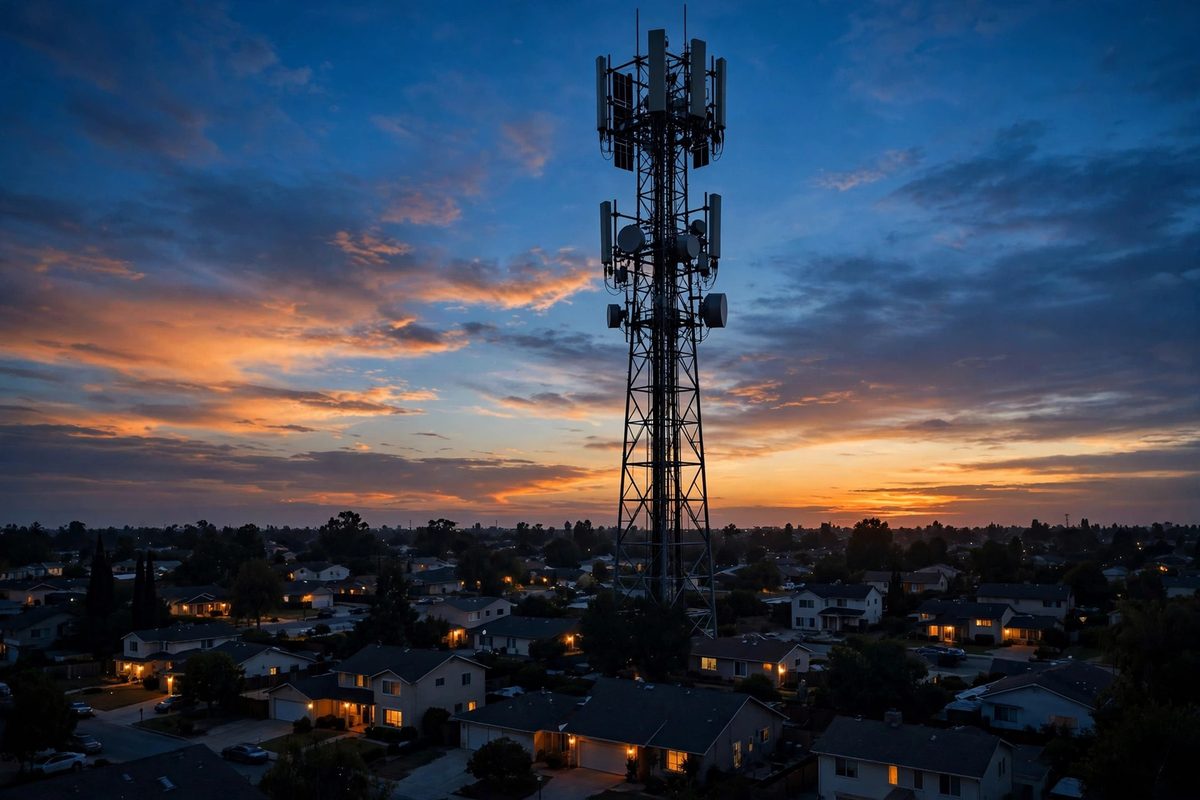
For decades, home internet meant a cable running into your house. Now there is a new option: 5G home internet, which delivers your connection wirelessly from a nearby mobile tower to a small receiver on your windowsill. No drilling, no engineer visit, no waiting weeks for installation. It sounds like the future, but is it actually better than the broadband you already have? The answer depends on where you live, what you do online, and how much you value stability over convenience.
How 5G Home Internet Works
A 5G home internet service uses the same mobile network as your phone, but with a dedicated receiver in your home. The receiver picks up the 5G signal from the nearest tower and turns it into Wi-Fi for your devices. Because there is no cable to install, setup takes minutes: plug the receiver in, place it near a window with a clear view of the tower, and you are online. That simplicity is the biggest selling point, especially for renters and for homes where running a cable is difficult or expensive.
Speed: Close, But Not Equal
On paper, 5G home internet can match mid-range broadband. Typical real-world speeds run from 100 to 300 Mbps, which is enough for 4K streaming, video calls, and most households. Fibre broadband, though, regularly delivers 500 Mbps to 1 Gbps, and does so consistently. The difference is consistency. A fibre connection gives you the same speed at 3 a.m. and at 8 p.m. A 5G connection shares the tower with every phone user in the area, so speeds can drop sharply in the evening when the tower is busy. For more on what different speeds can handle, see our guide to what is a good internet speed.
Latency and Gaming
Speed is only half the story. Latency, the delay before data starts moving, matters just as much, and here broadband wins clearly. Fibre broadband typically gives a ping of 5 to 15 ms. 5G home internet usually sits between 20 and 50 ms, and it can spike higher when the tower is congested or the weather is bad. For browsing and streaming, you will never notice. For competitive gaming and video calls, you might. If gaming is a priority, read our guide on internet speed for gaming before you switch.
Reliability and Weather
A cable buried in the ground is not affected by rain, wind, or a crowded tower. A wireless signal is. Heavy rain, thick walls, and distance from the tower can all weaken a 5G connection, and a receiver placed in the wrong spot can halve your speed. Broadband has its own outages, of course, but they are usually rarer and shorter. If you work from home and cannot afford a dropped connection during meetings, the reliability of a wired connection is hard to beat.
Price and Flexibility
5G home internet is often cheaper than fibre, with simple monthly pricing and no long contract. Many providers offer a 30-day trial, and you can take the receiver with you if you move house, as long as the new address has 5G coverage. Broadband usually means a 12- or 24-month contract and an installation appointment, but the price per megabit is lower if you need very high speeds. For a small household that rents and moves often, 5G is attractive. For a large household that needs gigabit speeds, broadband usually wins on value.
Which Should You Choose?
Choose 5G home internet if your area has strong 5G coverage, your household is small, you rent or move often, and your current broadband is slow or unavailable. Choose fibre broadband if you work from home, play competitive games, need speeds above 300 Mbps, or share your connection with a large household. In many areas the two are not rivals at all: 5G is the best option where fibre has not arrived yet, and fibre is the best option where it has. Check what is actually available at your address before you decide.
5G home internet is a genuine alternative to broadband for the first time, and for many homes it is good enough. But it is not yet a replacement for a wired connection when speed, latency, and reliability all matter. Pick the option that matches your home, test it during the trial period, and keep the one that performs best where you actually sit.
Frequently Asked Questions
Is 5G home internet fast enough for streaming?
Yes. Typical 5G home internet speeds of 100 to 300 Mbps are more than enough for 4K streaming, which needs about 25 Mbps, and several streams can run at once. Speeds can dip in the evening when the local tower is busy, but that rarely drops you below what streaming needs.
Can I use 5G home internet for gaming?
For casual gaming it works well, but competitive players will notice the difference. 5G home internet usually has a ping of 20 to 50 ms, compared with 5 to 15 ms on fibre broadband, and the ping can spike when the tower is congested. If low latency matters to you, broadband is the safer choice.
Do I need a landline for 5G home internet?
No. 5G home internet is completely wireless: the signal comes from a mobile tower to a receiver in your home, so no phone line, cable, or engineer visit is needed. You only need mains power for the receiver and a window with a reasonable view of the nearest tower.
Test Your Connection Now
Run a free speed test and see your real ping, download and upload speeds in under a minute.
Start Speed Test